Opinion: Hubble Deserves a Plan, Not a Hail Mary
This op-ed was written by Brett Silcox, Vice President of Government Relations & Civil Space Business Development, and published by SpaceNews on September 2, 2026.
NASA and Katalyst Space Technologies attempted something extraordinarily difficult: In less than a year, they mounted a commercial mission to extend the life of a spacecraft launched more than 20 years ago and never designed to be serviced.
The mission aimed to raise the Neil Gehrels Swift Observatory from a rapidly decaying orbit worsened by intense solar activity and preserve the telescope that spent two decades tracking cosmic explosions. Unfortunately, its capture and boost were called off after technical problems with Katalyst’s Link spacecraft, sealing Swift’s fate.
The Swift mission demonstrates why the United States needs to move on spacecraft servicing earlier, before orbital mechanics, aging hardware or impending mission loss turn a difficult engineering challenge into an emergency.
NASA already knows the value of planning for servicing. The Hubble Space Telescope proved what is possible when a spacecraft can be maintained and upgraded, extending its mission on orbit. Now, as the iconic telescope faces an uncertain future, NASA has an opportunity to apply that same legacy of foresight and ensure Hubble can continue delivering world-class science for years to come.
Hubble’s most valuable asset is time
Hubble’s orbit is declining slowly, predictably and entirely because of physics, but its mission could ultimately end in an uncontrolled — and unnecessary — reentry if action is not taken.
Every day, the thin upper atmosphere at Hubble’s altitude exerts drag on the observatory, gradually lowering its orbit. The precise timeline depends heavily on solar activity and other factors, but NASA engineering assessments have projected natural orbital decay could result in reentry during the mid-2030s.
There is no villain here and no single point of failure to engineer around. There is only time. And in the spacecraft-servicing business, time is everything.
Hubble has been operating since 1990 and remains one of the most scientifically productive assets ever placed in orbit. The question is not simply whether its orbit can be raised, but how NASA can develop an executable mission to do so safely, affordably and with mature technology trusted to approach an irreplaceable national asset. The answer should begin with a funded and focused Hubble reboost study now.
The Swift mission demonstrates how quickly government and industry can turn a difficult legacy-spacecraft servicing problem into actionable mission architecture. In a matter of months, NASA and its commercial partners had to address trajectory, rendezvous and capture operations and risk-reduction challenges for a spacecraft that was never intended to receive a robotic visitor.
That speed was impressive, but it should not become the model for Hubble or for servicing other assets in space.
With years of margin, NASA can define requirements, evaluate competing approaches, characterize Hubble in detail, mature concepts of operations, conduct testing and demonstrations, secure launch opportunities and establish the safety standards a mission of this importance demands.
When planning starts early, NASA and industry have the time to shape the mission together, defining acceptable risk, maturing the technology and developing an executable approach. As the orbital deadline approaches, physics begins making those decisions instead.
Delay can narrow the range of viable options available, increasing the risk that NASA is ultimately left considering a “Hail Mary” approach that earlier planning would have avoided.
Hubble therefore deserves more than another study that sits on a shelf. It deserves the time for government and industry to plan, develop and ultimately execute a real servicing mission — one built on demonstrated commercial rendezvous and capture capabilities.
When the moment comes to act, NASA and the commercial industry should have an executable, technically mature program in hand, not a bet.
Early engagement creates options
Fortunately, NASA is already demonstrating a better model with the Habitable Worlds Observatory (HWO), its planned next flagship astrophysics mission, designed to directly image potentially habitable planets around other stars and search their atmospheres for signs of life. NASA is designing HWO with future servicing in mind and has already begun investing in servicing concepts and enabling technologies before the observatory is built, allowing future maintenance, upgrades and mission extension to influence the architecture from the outset.
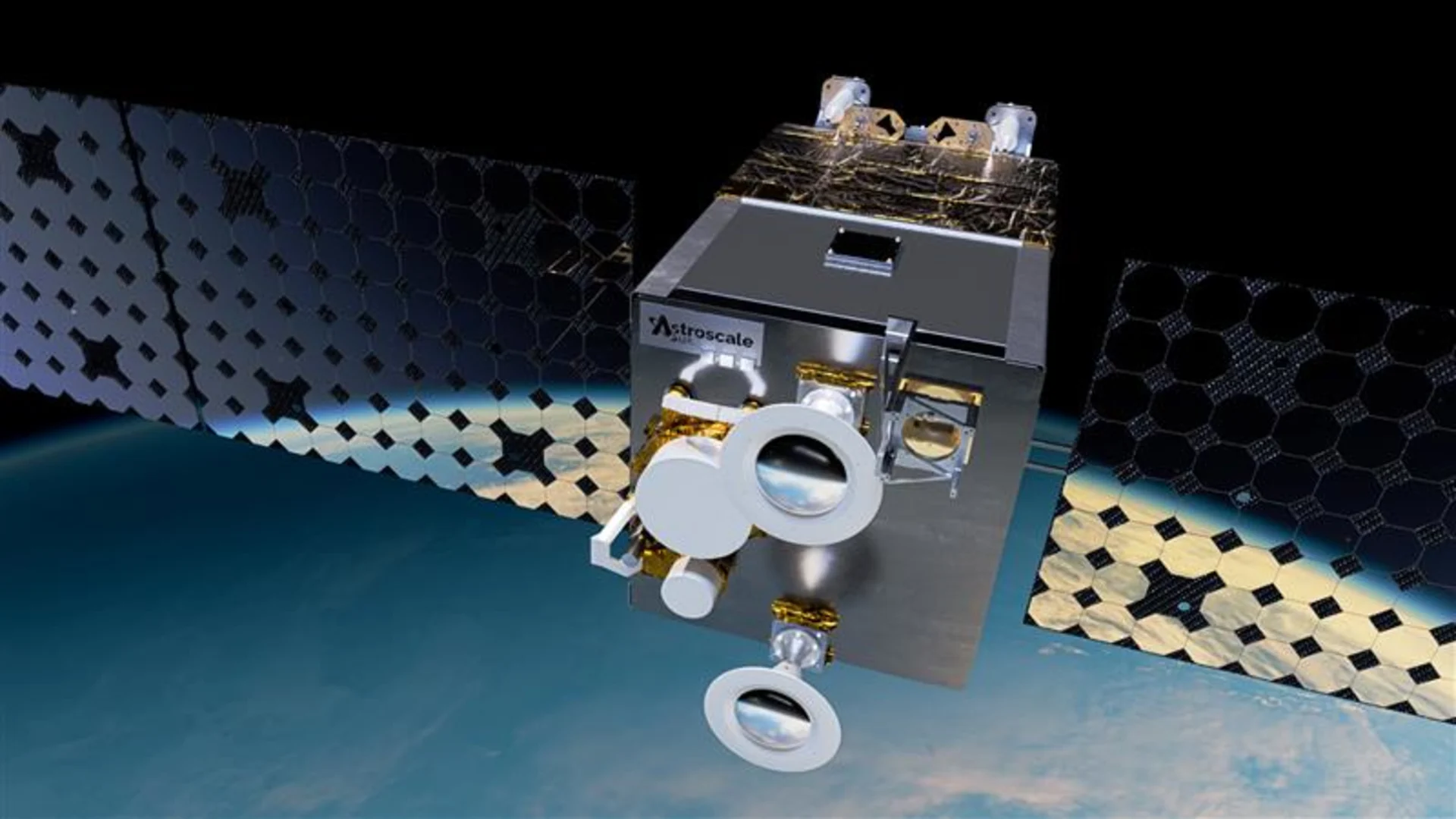
In January, NASA selected Astroscale U.S. for a three-year study to examine how in-space servicing could support HWO’s long-term operations, extend its useful life, reduce mission risk and enhance its scientific return. The effort is part of a broader NASA investment in technologies and concepts needed to mature HWO, which the agency intends to design from the outset for future in-space servicing.
That represents a significant evolution in how America designs and plans for the long-term value of its most important future spacecraft.
Rather than treating servicing as something to consider after a spacecraft encounters a problem, NASA is considering how refueling, repair, maintenance and upgrades can become part of HWO’s lifecycle from the beginning.
This gives NASA and commercial providers time to define interfaces and requirements, mature concepts of operations, conduct testing, demonstrate technologies and reduce risk incrementally. It also allows NASA to establish its safety requirements on its own timetable instead of allowing urgency to dictate what options remain available.
The principle should not apply only to spacecraft that haven’t launched yet. It should also inform how we manage extraordinary national assets already in orbit, including the Nancy Grace Roman Space Telescope and Hubble.
From flight heritage to mission readiness
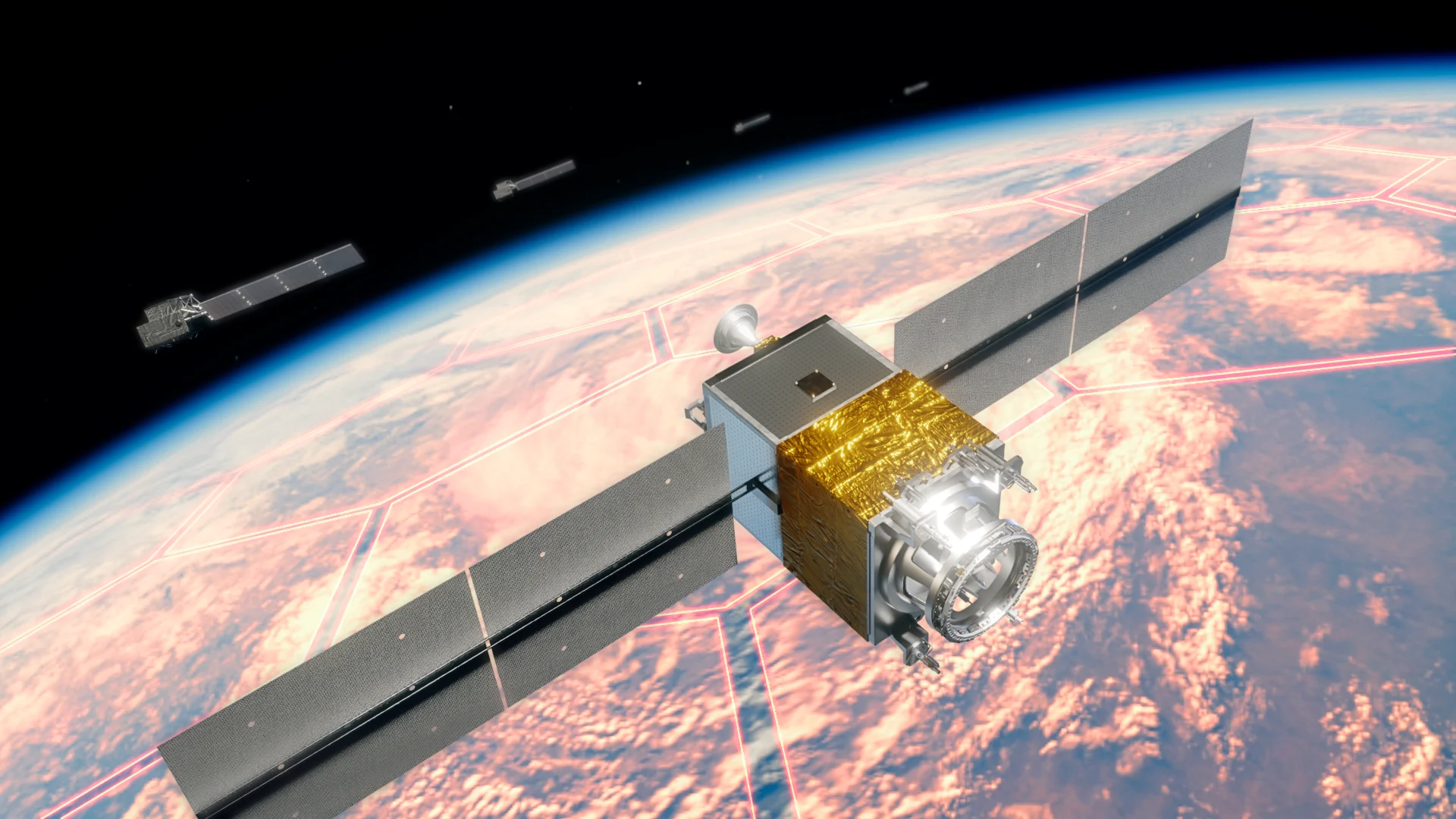
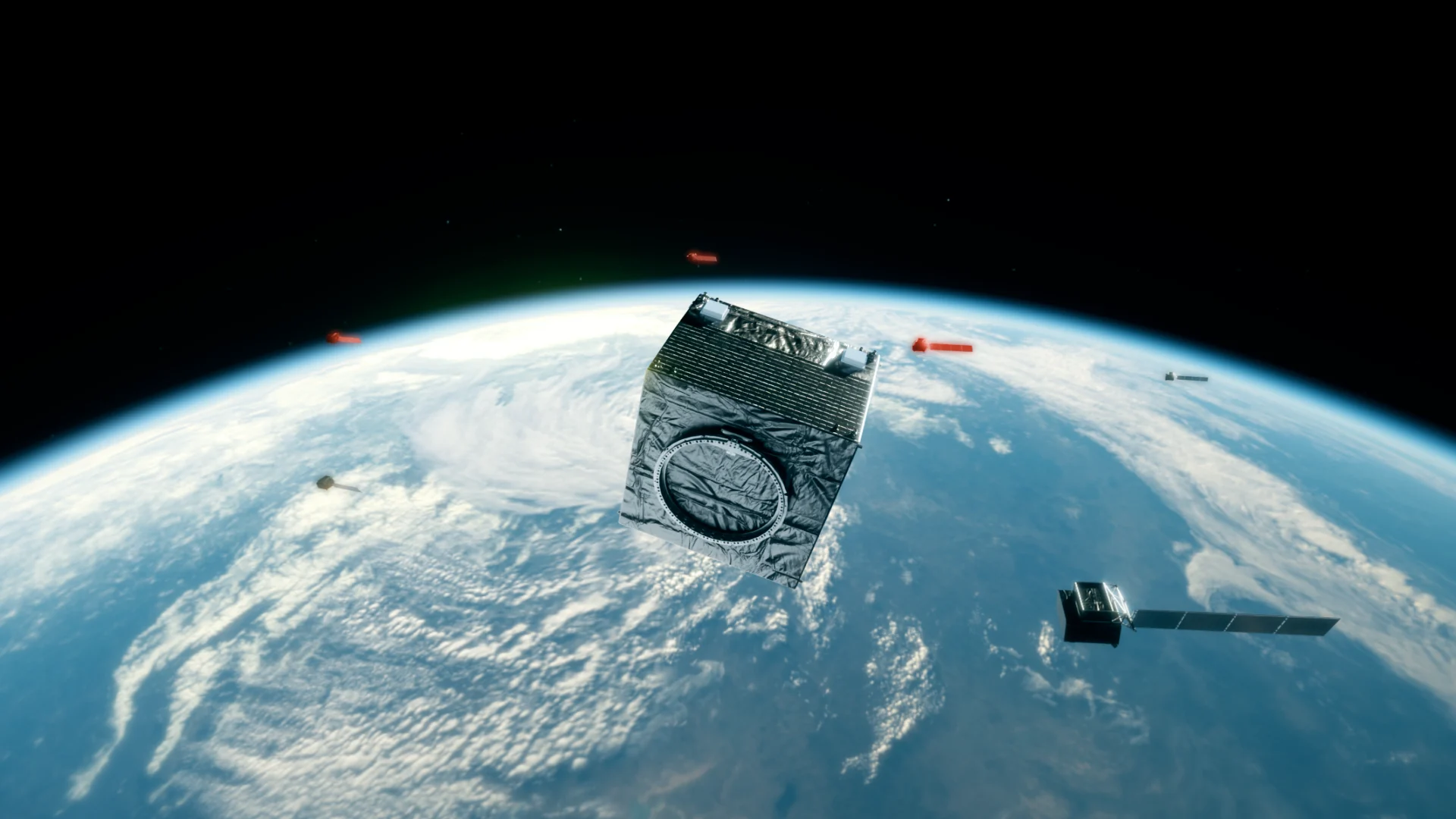
The commercial servicing industry is also entering this next phase with capabilities that did not exist when Hubble was designed. Rendezvous, proximity operations and capture technologies are no longer purely government capabilities. During two separate missions, Astroscale demonstrated autonomous rendezvous and close-proximity operations; one with a resident space object that was never designed to be approached, and another that involved securely docking to a client space object. That sort of flight heritage directly addresses some of the fundamental technical challenges associated with servicing legacy spacecraft: Safely approaching an unprepared object and conducting precise relative navigation.
NASA does not have to begin with a blank sheet of paper. It can build on a growing base of commercial flight experience and use a focused study to determine what additional capabilities, technology developments, demonstrations and safeguards a Hubble mission requires.
That is also why the Swift mission should accelerate, not diminish, the nation’s commitment to commercial spacecraft servicing. The attempt matters precisely because difficult missions expose challenges that studies and ground demonstrations cannot. They generate operational lessons, mature technologies, test assumptions and strengthen the U.S. servicing ecosystem for every mission that follows.
The next steps should move beyond episodic studies and emergency responses and towards funded missions that allow NASA and the industry to accumulate operational experience before critical assets are in jeopardy.
Swift showed what happens when extraordinary speed becomes necessary. HWO shows what becomes possible when servicing is considered from the beginning. Hubble offers NASA and industry the opportunity to apply both lessons before time narrows the available options.
Hubble’s orbital decline is measurable. Commercial capabilities are advancing. And, for now, NASA still possesses the most valuable ingredient in any complex servicing mission: time.
We should use it. Hubble has given humanity more than 35 years of discovery. It has earned more than a last-minute rescue.