Every maneuver a military satellite makes comes with a trade-off. Fuel used in response to a threat today means less is available for tomorrow’s mission. And once that supply runs out, an otherwise capable spacecraft may be taken out of the fight before a replacement launch is ready.
On-orbit refueling changes that scenario. By refueling the maneuvering spacecraft deployed to geostationary (GEO) orbit, the U.S. Space Force (USSF) gains more freedom to rapidly reposition assets, respond to emerging threats, and sustain critical missions—but successful refueling missions start long before that.
Bringing together mission design, operational planning, and advanced servicing capabilities is how refueling can become an integral part of how national security space assets operate—not simply an option when fuel runs low. Building that operational framework is essential to realizing the full potential of space logistics and supporting sustained space maneuver.
Fuel As a resource, not a limitation
Today, most satellites operate with nearly all the fuel they carry at launch. That constraint shapes everything from spacecraft design to daily operations, and leaves operators and their senior chain of command to weigh the value of a maneuver against its effect on the satellite’s remaining mission life.
Refueling gives mission architects another option. Instead of carrying every anticipated fuel requirement at launch, on-orbit fuel replenishment can be engineered into an entire constellation of maneuvering spacecraft at the mission design level. Operators can expect to achieve an exceptional increase in sorties per spacecraft compared to previous generations because they can plan for additional maneuvers, changing mission demands, and longer service lives.
Building a scalable on-orbit refueling architecture
A scalable refueling architecture requiresthree connected elements:
Client spacecraft: Satellites equipped to receive fuel, with requirements that define how much they need and how often, through a compatible interface
Fuel supplies: Depots or other cache options that keep compatible propellant available where it is needed
Refueling vehicles: Spacecraft that transport fuel from depots to clients and perform the approach, docking, and transfer operations
Mission design, ConOps, ground systems, and communications connect the architecture, helping operators track supplies, schedule deliveries, and respond when priorities change.
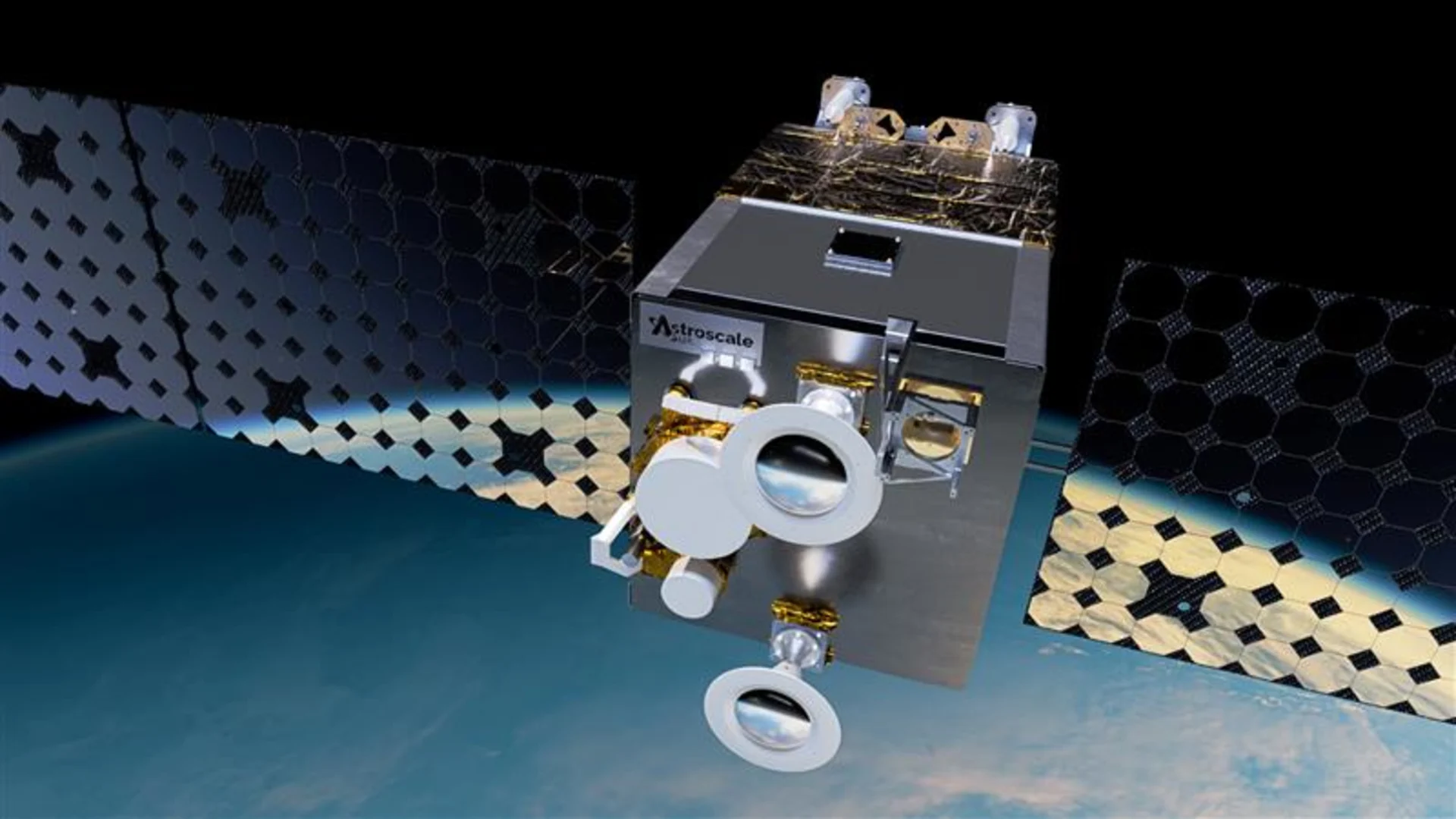
Astroscale U.S.’s Provisioner® is designed to demonstrate this connected approach. Built to perform the first refueling of a USSF asset, Provisioner is refillable and can conduct multiple refueling operations above GEO and demonstrate interactions among a client, servicer, and depot.
Astroscale’s expertise in rendezvous and proximity operations (RPO) was proven during the ADRAS-J mission in 2024, which was the world's first close approach and characterization of an existing piece of large space debris through RPO. This successful flight experience and our shared advanced technology provides a foundation for Provisioner’s capabilities.
Defining operational responsibility for space logistics
Other military services have established organizations that plan, deliver, and manage fuel. That experience offers a starting point for on-orbit refueling. As the Space Force develops its approach, we recommend defining early who forecasts demand, tracks available supplies, prioritizes deliveries, and ensures fuel reaches the right spacecraft at the right time. It should also clarify how government and commercial operators will work together.
Government-owned systems, commercially delivered services, and hybrid arrangements offer different benefits. The right mix should follow mission requirements, including availability, responsiveness, security, and cost. Whatever the ownership and operations model, operators need confidence that refueling support will be available at the time and place of their choosing. That calls for clear agreements, shared planning, and visibility into the resources supporting the mission.
Preparing Space Force operators for on-orbit refueling
Refueling readiness depends on people as much as technology. USSF and commercial operators will need to practice coordinating rendezvous, docking, fuel transfer, and departure in order to be trained and certified for refueling operationsTraining must address routine operations and contingencies, including interrupted communications, equipment problems, or an urgent change in mission priorities.
As demand grows, USSF will likely seek to mature its in-space logistics expertise. Dedicated roles, professional development,and career pathways could help build the continuity required to manage an expanding refueling architecture and in-space logistics enterprise.
Designing interoperable and resilient refueling architectures
A refueling ecosystem becomes more useful when servicing vehicles can support multiple clients. Compatible transfer interfaces and common operational standards can help avoid isolated systems that require a different solution for every spacecraft.
Greater autonomy could further improve responsiveness. Spacecraft that can safely manage more approach and docking tasks onboard may operate with less reliance on continuous ground contact, while keeping people responsible for mission oversight.
The architecture should drive resilience from the beginning. Provisioner presents the opportunity to turn a demonstration into the blueprint for a resilient refueling architecture, helping inform how on-orbit logistics providers can support future USSF missions.
Sustaining America’s strategic advantage through space logistics
The strategic value of refueling is the operational freedom it creates. A spacecraft that can replenish its fuel has more flexibility to maneuver, adapt, and continue supporting the mission. An architecture supported by dependable logistics gives operators more ways to sustain capability as conditions change.
Building that advantage requires coordinated investment in technology, people, organizations, and operations. The United States has the opportunity to seize the initiative in space through increased investments in the development of a world-class on-orbit logistics capability that ensures the dominance of the Space Force.